Minimal Line Art Love Pattern: A Versatile Choice for Modern Romantic Designs
In the realm of design, especially when it comes to romantic and contemporary themes, the Minimal Line Art Love Pattern stands out as a refined and elegant solution. This pattern pack combines simplicity with sophistication, offering a clean aesthetic that appeals to modern sensibilities while maintaining timeless charm. It is particularly suited for projects where subtlety and clarity are key, such as wedding stationery, Valentine’s Day cards, apparel designs, and branding materials.
What Makes Minimal Line Art Love Pattern Unique?
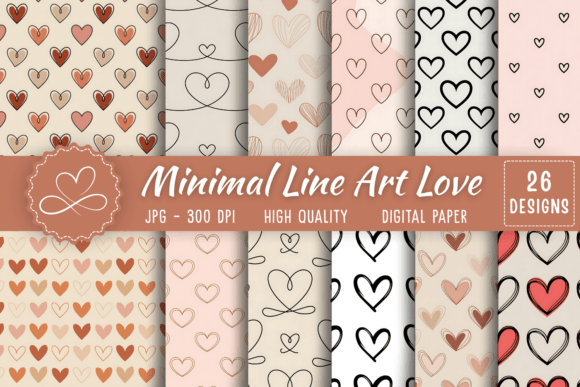
The Minimal Line Art Love Pattern features 26 high-resolution seamless patterns in JPEG format, each sized at 3072 × 3072 pixels. These patterns emphasize continuous line art, focusing on love motifs like hearts and simple symbols without the use of color or shading. The absence of complex details allows the patterns to blend seamlessly into backgrounds and foregrounds alike, making them highly versatile.
One of the defining characteristics of this collection is its minimalist approach. Unlike more intricate floral or ornate love-themed patterns, these designs prioritize negative space and smooth, flowing lines. This makes them ideal for those who want to convey emotion without overwhelming visual elements. The repeat-ready nature of each file ensures consistency across large surfaces or multiple items, whether digital or printed.
Comparing Minimal Line Art Love Patterns with Other Design Styles
When evaluating design options for romantic or everyday projects, it's important to consider how Minimal Line Art Love Pattern compares to other popular styles:
- Watercolor Love Patterns: While watercolor designs offer a soft, hand-painted look, they can be less suitable for high-contrast or monochrome applications. The Minimal Line Art Love Pattern provides a crisp alternative that works equally well in both black-and-white and colored formats.
- Ornate Vector Patterns: These often feature detailed scrollwork and flourishes, which can complement traditional or vintage aesthetics. However, they may not align with the sleek, modern preferences that the Minimal Line Art Love Pattern caters to.
- Geometric Love Symbols: Geometric designs use angles and shapes to represent love. They tend to be bold and structured. In contrast, the Minimal Line Art Love Pattern uses organic curves and subtle forms to create a more fluid and romantic feel.
- Illustrative Heart Motifs: Illustrative patterns often include texture and dimensionality, which can add depth but also complexity. The Minimal Line Art Love Pattern strips away these elements, delivering a streamlined appearance that adapts easily to various contexts.
Strengths and Best-Fit Applications
The Minimal Line Art Love Pattern Pack excels in several areas, making it a strong contender for specific design needs:
- Timeless Appeal: Its clean, unembellished style avoids trends, ensuring longevity in relevance. This makes it perfect for branding or products intended for repeated use.
- High Resolution: At 3072 × 3072 px, the files are well-suited for print media and large-scale digital applications without compromising quality.
- Seamless Repetition: Each pattern is designed to tile effortlessly, reducing the need for manual adjustments when applied across different surfaces or layouts.
- Flexibility in Use: Users can resize, recolor, rotate, or layer the patterns freely, allowing for customization without the need for advanced design skills.
These strengths make the pattern particularly effective for:
- Wedding invitations and programs
- Valentine’s Day greeting cards
- Gift wrap and packaging designs
- Apparel prints (t-shirts, tote bags)
- Digital scrapbooking and printable crafts
- Modern branding and logo backdrops
Tradeoffs and Limitations to Consider
While the Minimal Line Art Love Pattern has many advantages, there are certain limitations and tradeoffs to keep in mind when choosing it for your project:
- Color Variability: Since the product is digital, colors may appear differently depending on screen settings or printer calibration. This means you might need to test samples before finalizing any print-based application.
- Style Specificity: The minimalist aesthetic won’t appeal to everyone. If your project requires a warmer, more illustrative, or textured look, this pack might not be the best fit.
- Design Customization: While the patterns are fully editable, achieving unique variations may require additional time or skill if you’re aiming for layered effects or complex compositions.
For instance, if you're designing a rustic-themed wedding invitation with earthy tones and textures, the minimalistic nature of these patterns could clash with the overall theme. Similarly, if you need a highly saturated or vibrant pattern for a children’s product, the subdued tone of the Minimal Line Art Love Pattern might fall short.
When to Choose Minimal Line Art Love Pattern
The Minimal Line Art Love Pattern is most appropriate when the following criteria apply:
- You want a subtle yet meaningful representation of love without overpowering visuals.
- Your project involves print or digital repetition, such as fabric printing or wallpaper design.
- You prefer clean, modern aesthetics over traditional or decorative styles.
- You’re working within a monochrome or limited-color palette.
Real-world examples where this pattern shines include:
- A modern wedding program with a white background and a single heart motif subtly repeating in the margins.
- Digital Valentine cards using the pattern as a border or watermark, enhancing the romantic tone without distracting from the message.
- Apparel designs featuring a delicate heart pattern on a plain-colored garment, adding just the right amount of detail.
Alternatives and When to Explore Them
If the Minimal Line Art Love Pattern doesn't meet your specific needs, here are some alternatives worth considering:
1. Bold and Vibrant Love Patterns
For projects requiring eye-catching visuals, such as party decorations or promotional materials for a dating app, bold and colorful love patterns may be more effective. These typically feature bright hues, dynamic compositions, and expressive symbols that command attention.
2. Vintage-Inspired Romance Designs
Vintage patterns often incorporate floral elements, cursive text, and aged textures. They work well for retro-themed events or historical content. If your audience gravitates toward nostalgia or classic romance, this could be a better match than the sleek minimalism of the pack.
3. Abstract Love-Themed Art
Abstract patterns provide a creative twist by using non-literal representations of love, such as overlapping circles or stylized silhouettes. These are great for artistic or avant-garde projects where uniqueness is paramount.
4. Text-Based Love Patterns
If your design leans heavily on typography—like quotes about love or handwritten messages—text-based patterns can serve as an engaging backdrop. They allow words to remain the focal point while still conveying a romantic theme through subtle lettering or script motifs.
Decision Factors: Choosing the Right Pattern for Your Project
Selecting the appropriate pattern depends on several factors:
- Target Audience: Does your audience appreciate modern minimalism or prefer more traditional looks?
- Application Type: Will the pattern be used digitally or in print? Is it for large-scale use or small details?
- Brand Identity: How does the pattern align with your brand’s visual language and values?
- Technical Requirements: Do you need a pattern that tiles perfectly, supports resizing, or integrates with existing tools?
For example, a lifestyle blog targeting young professionals may find the Minimal Line Art Love Pattern ideal for Valentine’s Day posts or branded merchandise, whereas a boutique selling handmade, bohemian-style gifts might opt for something more textured or illustrative.
Conclusion: A Thoughtful Addition to Your Design Toolkit
The Minimal Line Art Love Pattern Pack offers a curated selection of elegant, repeat-ready designs that cater to modern tastes. With 26 seamless patterns in high resolution, it’s a practical resource for designers and crafters looking to infuse their work with a touch of romance without sacrificing simplicity.
Its strength lies in versatility and adaptability, but it’s not universally suitable. Understanding your project’s context, audience, and technical needs will help determine whether this pattern is the right choice—or if another style might better serve your purpose. As always, testing the pattern in your actual application setting can ensure it meets your expectations before finalizing your design.