Minimalist Monochrome Triangles Pattern: A Versatile Tool for Modern Design
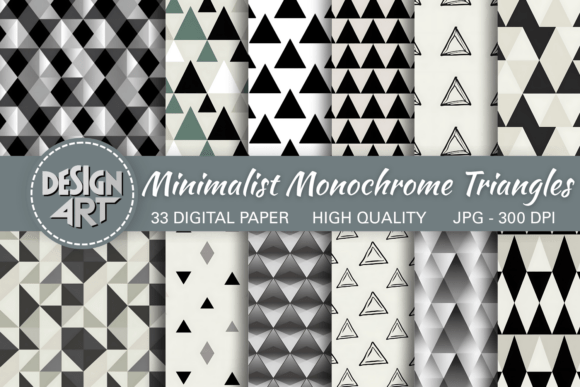
The Minimalist Monochrome Triangles Pattern has emerged as a go-to resource for designers seeking to infuse their projects with clean, contemporary aesthetics. This seamless pattern pack features an array of black-and-white triangle arrangements that are both visually striking and functionally adaptable. With 33 high-resolution patterns included, each measuring 3072 × 3072 pixels, the design possibilities are vast, spanning across branding, fashion textiles, packaging, stationery, décor, and digital artwork.
Understanding the Essence of the Pattern
At its core, the Minimalist Monochrome Triangles Pattern is defined by its geometric simplicity and high contrast. The use of triangles, one of the most fundamental shapes in visual design, allows for a versatile foundation that can be manipulated in countless ways. These patterns are designed to evoke modern elegance through bold yet balanced compositions. Each arrangement is crafted to ensure seamlessness, making them ideal for repeating layouts without visible breaks or distortions.
By focusing on monochrome tones, the pattern avoids overwhelming the viewer with color while still maintaining depth and interest. This makes it especially effective for minimalist design styles where subtlety and clarity are key. The crisp lines and structured forms also contribute to a sense of professionalism and sophistication, appealing to both commercial and personal creative endeavors.
Key Features and Functional Advantages
- Clean Minimal Triangular Geometry: The patterns utilize triangles in various orientations and groupings to create dynamic yet uncluttered visuals.
- High-Contrast Modern Monochrome Design: The black-and-white palette enhances visibility and ensures the patterns stand out across different mediums.
- High-Resolution Quality: At 3072 × 3072 px, these files are suitable for professional printing, offering sharpness and detail even when scaled up.
- Fully Editable: Users can easily resize, rotate, or recolor the patterns to suit their specific needs, providing flexibility beyond the original design.
These characteristics make the pattern not only visually appealing but also highly practical. Whether you're working on print media like fabric or digital content such as web banners, the ability to maintain quality and adaptability is essential. The minimalistic approach also aligns well with current design trends favoring simplicity and purposeful layout.
Applications Across Industries and Creative Fields
One of the standout qualities of the Minimalist Monochrome Triangles Pattern is its broad applicability. Let’s explore some of the industries and fields where this pattern excels:
Branding and Identity Design
In branding, consistency and visual identity are paramount. The monochrome triangle patterns provide a unique yet neutral background that can complement logos, typography, and other brand elements. Their abstract nature allows for subtle integration into corporate identities without overshadowing key messages. For instance, using these patterns in business cards or website headers can add a touch of modernity while keeping the focus on the brand itself.
Fashion and Textile Printing
For fashion designers and textile artists, the pattern offers a fresh take on geometric prints. Its tileable format is perfect for garments, scarves, or home textiles. Because of its high resolution, the patterns remain clear and consistent even after multiple repeats. Moreover, the black-and-white aesthetic works well with both light and dark fabrics, allowing for easy customization.
Packaging and Wrapping Paper
Minimalist packaging is gaining popularity as consumers gravitate toward eco-conscious and aesthetically pleasing designs. The triangular motifs can be used to elevate simple paper wraps or product boxes, giving them a refined look. Their versatility means they can be adapted to fit any size or shape, ensuring your packaging stands out with a modern flair.
Stationery and Journal Design
Designers creating journals, planners, or notebooks often seek patterns that enhance usability without distracting from readability. The Minimalist Monochrome Triangles Pattern fits this requirement perfectly. It adds visual interest to backgrounds, page dividers, or decorative accents without compromising the legibility of text or graphics. The high contrast ensures compatibility with both colored ink and toner-based printers.
Digital Art and Web Design
In the digital space, the pattern serves as a backdrop for websites, app interfaces, or social media templates. Its clean geometry supports user-friendly navigation and maintains a sleek appearance. When used in UI/UX design, it helps guide the eye and structure content effectively. Additionally, the tileable nature reduces file size concerns when applied to large digital canvases.
Considerations for Effective Use
To get the most out of the Minimalist Monochrome Triangles Pattern, consider the following best practices:
- Understand Your Medium: Whether you’re designing for print or digital, ensure the pattern complements the material. High-resolution formats work wonders on physical items like posters or apparel, while digital versions should be optimized for screen display.
- Maintain Balance: While the pattern is bold, it's important not to overuse it. Pair it with solid colors or muted gradients to avoid visual fatigue and preserve the minimalist feel.
- Experiment with Layouts: Try layering the pattern behind text or icons. Adjust transparency levels or overlay additional design elements to create unique variations tailored to your project.
- Stay Consistent: If using the pattern across multiple platforms (e.g., a logo, website, and product packaging), maintain a cohesive style to reinforce brand recognition and visual harmony.
Real-World Examples and Observations
Several successful brands have integrated similar minimalist geometric patterns into their visual language. For example, lifestyle brands often use such designs in their product lines to convey a sense of modernity and exclusivity. In interior design, these patterns appear on wallpapers, cushions, and curtains to add texture without overwhelming the space. Digital creators leverage them in backgrounds for e-books, blog posts, and online courses, enhancing the overall user experience with a polished look.
Observing how others have used the pattern provides insight into its adaptability. One designer might use it as a full-page wallpaper for a website, while another may incorporate small sections into a logo for added visual intrigue. The common thread is the intentional application of the pattern to support—not distract from—the main message or product.
Why Choose This Pattern Pack?
With so many pattern options available, what sets the Minimalist Monochrome Triangles Pattern apart? Here are a few reasons why it remains a top choice among creatives:
- It embodies the principles of minimalism, which continue to dominate design trends due to their timeless appeal and functional benefits.
- The patterns are scalable and editable, empowering users to tailor them precisely to their needs rather than settling for generic textures.
- Its monochrome theme makes it universally compatible with any color scheme, allowing for seamless integration into diverse projects.
- As a digital product, it’s instantly accessible and ready to use, reducing the time between inspiration and execution.
Moreover, the sheer number of patterns—33 in total—ensures that there is something for every project. From subtle background textures to bold feature designs, the variety allows for experimentation and refinement until the perfect match is found.
Implementation Tips for Beginners and Pros
If you're new to working with geometric patterns, start by selecting one that resonates with your project's tone. Experiment with placement and opacity settings before finalizing the layout. For more experienced users, the fully editable nature of the pattern opens doors to advanced customizations. Consider altering the scale or orientation to create asymmetrical effects or combine multiple patterns for layered designs.
When preparing for print, always verify that the pattern remains tileable at the intended size. Some software tools allow for seamless tiling adjustments, ensuring the design looks uniform regardless of the output dimensions. For digital applications, test the pattern across devices to confirm it retains its clarity and impact on different screens.
Future Relevance and Trends
As design continues to evolve, the demand for patterns that balance form and function will only grow. The Minimalist Monochrome Triangles Pattern is positioned well within this trajectory, offering a timeless motif that aligns with emerging trends in architecture, fashion, and tech-inspired aesthetics. Its geometric roots connect it to broader movements emphasizing structure and symmetry, while the monochrome aspect keeps it relevant in the context of sustainability and low-color design strategies.
Additionally, the rise of remote work and digital-first content creation has increased the need for versatile design assets. Patterns like these offer a quick way to enhance digital presentations, marketing materials, and personal portfolios—all while maintaining a professional edge.
Conclusion
The Minimalist Monochrome Triangles Pattern is more than just a design element—it's a tool that enables creativity within constraints. By combining geometric precision with a refined black-and-white palette, it delivers a clean, modern style that can be applied across numerous industries and formats. Whether you're a seasoned graphic designer or someone exploring creative expression for the first time, this pattern pack provides valuable resources to elevate your work with ease and elegance.