Watercolor Argan Oil Fruit Pattern: A Guide to Choosing and Using It Right
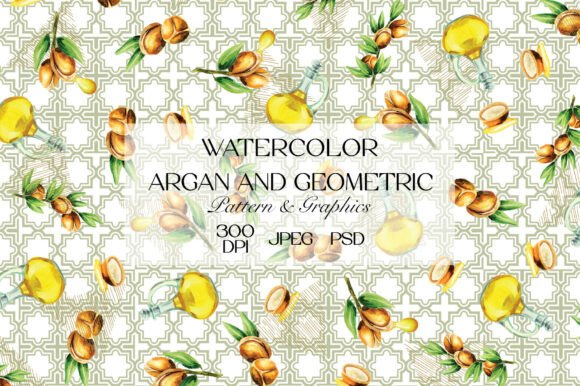
The Watercolor Argan Oil Fruit Pattern is a stunning digital design that brings the warmth and elegance of Mediterranean aesthetics into your creative projects. Combining hand-painted watercolor elements like argan fruits, oil bottles, and vibrant green leaves with an intricate Moroccan tile background, this pattern offers a seamless blend of nature and culture. Its organic feel and rich visual texture make it ideal for branding, packaging, textiles, wallpapers, and more.
Why Designers Love This Pattern
This pattern appeals to a wide range of creatives because it adds depth and character without overwhelming the viewer. The soft watercolor style gives it a gentle, artistic touch while the argan fruit and bottle motifs evoke themes of natural beauty and wellness—perfect for eco-friendly or cosmetic-related designs.
Whether you're designing product packaging for a new line of organic skincare or creating a blog header for a Mediterranean-inspired lifestyle brand, the Watercolor Argan Oil Fruit Pattern can elevate your visuals. It’s especially popular among entrepreneurs and small business owners who want their branding to stand out with authenticity and style.
Common Mistakes When Choosing and Using This Pattern
Many designers are drawn to the Watercolor Argan Oil Fruit Pattern for its beauty, but they sometimes overlook key details that affect how well it performs in different applications. Here are some common mistakes and how to avoid them:
- Ignoring File Format Differences: While both PSD and EPS files are valuable, they serve different purposes. Not understanding which format suits your project can lead to quality issues or editing limitations.
- Assuming Full Vector Compatibility: Some elements in the EPS file include embedded watercolor textures, which means they aren’t fully scalable or editable in all vector software. Expecting otherwise can be a costly oversight during print production.
- Not Checking DPI Requirements: The JPEG preview image provided is at 300dpi, suitable for most screen-based uses. However, if you plan to use the pattern for high-quality print work, ensure you’re using the correct file type and resolution.
- Overlooking Background Integration: The Moroccan tile background is elegant, but it might not suit every layout. Forgetting to test the pattern on different color bases can result in a mismatched final design.
Choosing the Right File Format
Before purchasing, consider what kind of work you’ll be doing. If you need flexibility for layer adjustments or photo manipulation, the PSD file is the better choice. On the other hand, the EPS file is ideal for logo creation or textile printing, where vector scalability is essential. Just remember that not all elements in the EPS version are fully vectorized—some watercolor textures may be rasterized. Always review the preview images to understand the composition before making a purchase.
Respecting Resolution and Print Standards
While the JPEG preview looks great online, it isn't suitable for large-scale printing. If you're preparing materials for print, such as labels or posters, ensure you’re working with the appropriate file format (usually EPS or high-res PNG from the PSD) and maintaining the recommended 300dpi resolution. Low-resolution outputs can appear blurry or unprofessional when printed.
Matching the Pattern to Your Project
The Moroccan tile background in the Watercolor Argan Oil Fruit Pattern is beautiful, but it needs to harmonize with the rest of your design. Test the pattern against various colors and fonts to see how it interacts. For example, placing it over a bright yellow base might clash with the soft tones of the watercolor elements, whereas a muted terracotta shade could enhance the Mediterranean vibe.
Practical Tips for Better Results
To get the most out of the Watercolor Argan Oil Fruit Pattern, follow these best practices:
- Preview Before Purchase: Always look at the sample images included in the listing. These previews give you a realistic sense of the pattern's scale, detail, and overall aesthetic.
- Test on Realistic Layouts: Open the pattern in the same software you'll use for your final project. Apply it to mock-ups of your intended use—like a T-shirt or product box—to see how it functions in context.
- Optimize for Intended Use: If you're using the pattern for web content, compress it appropriately without losing clarity. For print, ensure proper color profiles (CMYK for most professional prints) and resolution settings.
- Layer Thoughtfully: Because it contains multiple elements, don’t hesitate to adjust layers or opacity levels to integrate the pattern seamlessly into your design. Sometimes less is more—subtle placement can have a bigger impact than heavy coverage.
Real-World Applications
Let’s say you're launching a new line of argan oil-based hair products. You decide to use the Watercolor Argan Oil Fruit Pattern for your label design. But instead of covering the entire label, you place it subtly behind the product name. This approach maintains legibility while still giving the label a unique, artisanal flair.
Another example: a blogger wants to create a wallpaper for their website about Mediterranean wellness. They download the pattern and apply it as a repeating background, adjusting the brightness and contrast slightly to fit their site’s color scheme. By doing so, they preserve the pattern’s integrity and adapt it to their brand identity.
What to Check Before Committing
Before integrating the Watercolor Argan Oil Fruit Pattern into your workflow, take a moment to evaluate the following:
- Is the file format compatible with my design tools?
- Will the pattern scale well for the size I need it in?
- Are the watercolor textures suitable for my project’s medium (print vs. digital)?
- Does the pattern complement or distract from the main message?
- Have I tested it across different backgrounds and layouts?
These checks help ensure that the pattern enhances rather than hinders your design goals. Skipping them can lead to unexpected results, such as low-quality prints or confusing visuals.
How to Make Informed Decisions
When shopping for digital patterns, it’s easy to get caught up in the visuals. However, taking time to understand technical specifications can save you from headaches later. For instance, knowing that the EPS file includes embedded textures helps you choose the right tool for the job. If you're using Adobe Illustrator, that’s fine—but if you're using a program that doesn’t support complex embedded textures, you might face difficulties.
Also, keep in mind that seamless patterns should be applied carefully. Zoom in to check the tiling edges, especially if you’re using it for fabric or wrapping paper. A tiny misalignment can become noticeable once repeated across a surface.
Learning from Experience
One designer shared how they initially used the Watercolor Argan Oil Fruit Pattern as a full-page background for a brochure. While visually appealing, it made reading the text difficult due to the busy tile pattern. After simplifying the design by using the pattern as an accent around product photos, the readability improved significantly, and the brochure was much more effective.
This illustrates the importance of balance and purposeful application. Even the most beautiful pattern should serve the function of the design, not just decorate it.
Conclusion
The Watercolor Argan Oil Fruit Pattern is a versatile and attractive resource for any creative project with a natural or Mediterranean theme. However, its success depends on how well you understand and apply it. By avoiding common pitfalls related to file formats, resolution, and design integration, you can ensure your final output is both professional and aesthetically pleasing.
Remember to always preview, test, and tailor the pattern to your specific needs. Whether you're a beginner experimenting with your first digital design or a seasoned pro looking for inspiration, this pattern has the potential to bring sophistication and charm to your work.
Thanks again for visiting! New seamless patterns, illustrations, and prints are added weekly, so be sure to follow the shop and check back often for fresh ideas to inspire your next project.