Blue Jay in Bloom Digital Paper: A Nature-Inspired Design Essential
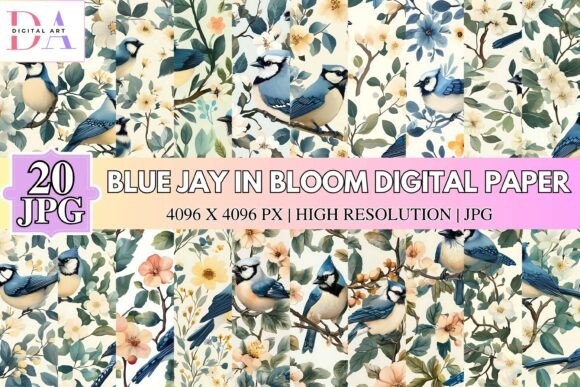
For those who love to infuse their creative projects with a touch of elegance and natural charm, the Blue Jay in Bloom Digital Paper Pack offers an exceptional solution. This collection features high-resolution digital papers showcasing beautifully illustrated blue jays nestled among soft florals, lush branches, and delicate spring blossoms. Designed for both print and digital use, these backgrounds are perfect for scrapbooking, card making, stationery, invitations, sublimation crafts, wrapping paper, digital journaling, branding, and other nature-themed design endeavors.
Why Choose Blue Jay in Bloom Digital Paper?
The allure of the Blue Jay in Bloom pack lies in its ability to blend artistic detail with a calming aesthetic. The imagery is not just visually appealing but also versatile enough to suit a wide range of creative needs. Whether you're crafting seasonal decorations or botanical artwork, this set provides a timeless and inspiring backdrop that can elevate your designs from ordinary to extraordinary.
With 20 JPG files included, each measuring 4096 × 4096 pixels, you get crisp details and professional quality. These large dimensions allow for seamless tiling and scaling, ensuring your final products look polished whether viewed on screen or printed out.
Common Mistakes When Choosing Digital Papers
Many creators overlook the importance of selecting the right type of digital paper for their specific project. One common mistake is choosing a pattern based solely on color preference without considering how it interacts with text or images. For instance, placing dark text over a floral background with similar hues can reduce readability and diminish the overall impact of the design.
Another frequent oversight is not verifying the resolution before downloading. While many digital paper packs offer standard sizes like 3000 × 3000 px, the Blue Jay in Bloom goes beyond with 4096 × 4096 px files—ideal for detailed work and larger prints. Using lower-resolution patterns can lead to blurry outputs, especially when printing at scale.
How to Use Blue Jay in Bloom Effectively
To make the most of the Blue Jay in Bloom digital papers, consider the following best practices:
- Layer wisely: Use these papers as a background layer rather than a foreground element. Their intricate details work best when complemented by simpler overlays like text, icons, or subtle textures.
- Balance colors: Ensure there's enough contrast between your content and the paper’s background. If your text or graphics are too similar in tone to the florals, they may become difficult to see.
- Test before printing: Always preview your layout using the digital paper on a physical printer. This helps catch any issues with alignment, bleed, or clarity that might not be obvious on screen.
Let’s say you’re designing a wedding invitation. Instead of letting the entire floral pattern take center stage, place it behind a clean font and minimalist design elements. This approach highlights the beauty of the pattern while keeping the invitation easy to read and elegant in appearance.
Misunderstandings About File Formats and Usage
A misunderstanding many users have is about file formats. Although the Blue Jay in Bloom pack includes JPGs, which are great for most uses, some designers may assume PNGs would be better. In reality, JPGs are more suitable for complex, photographic-like patterns due to their compression efficiency and broad compatibility across platforms and printers.
It’s also important to understand the difference between web-only and print-ready designs. While these papers look stunning on digital screens, always ensure your software settings are configured for print if you plan to use them for tangible products. Adjustments to brightness, saturation, or contrast may be necessary to achieve the desired outcome on paper.
Overlooked Details in Application
One overlooked detail is the aspect ratio of the papers. At 4096 × 4096 px, they are square, which is ideal for certain layouts like social media posts or greeting cards. However, if you need a landscape-oriented design, you’ll want to crop carefully or adjust your composition to avoid stretching or distorting the image.
Additionally, some users don’t realize the full potential of using these papers for sublimation crafts. The soft tones and organic feel of the Blue Jay in Bloom set make them excellent for mugs, tumblers, or fabric items where the goal is to create a warm, inviting visual experience.
Comparing Blue Jay in Bloom to Other Packs
When comparing Blue Jay in Bloom to other digital paper collections, it stands out for its cohesive theme and attention to detail. Unlike generic floral sets that may lack personality, this one incorporates whimsical bird illustrations that add a unique narrative to each design. It’s particularly suited for those who want to evoke a sense of tranquility or connection to nature in their work.
Some alternatives focus only on flowers or birds, but the combination here offers a more dynamic and engaging backdrop. For example, instead of using a plain floral pattern for a blog post header, try pairing one of these blue jay scenes with a simple headline for a more memorable and eye-catching result.
Learning to Integrate the Pattern Seamlessly
Designers new to using digital papers may struggle with integration. A helpful tip is to start small. Apply one pattern to a single section of your project first, such as a sidebar or footer, and evaluate how it fits within the overall style. Once comfortable, you can expand its use throughout your design.
Also, don’t forget to experiment with blending modes or opacity settings in design tools like Photoshop or Canva. Lowering the opacity slightly can help the pattern serve as a subtle texture rather than overpowering your main content. This technique is especially effective for digital journals or planners where a gentle background enhances the user experience without distracting.
What to Check Before Downloading or Purchasing
Before committing to the Blue Jay in Bloom pack, ensure it aligns with your intended use. Here are a few things to verify:
- Resolution: Confirm that the size (4096 × 4096 px) meets your project requirements, especially if you plan to print in large formats.
- License terms: Understand the usage rights provided. Personal and commercial licenses vary, so double-check what applies to your needs.
- Compatibility: Make sure the JPG format works well with your design software and workflow. Some programs may require additional adjustments for optimal performance.
These checks can prevent unnecessary rework or confusion later on. Imagine investing time in creating a product line only to discover the license doesn't cover commercial use—this could cost you both time and money.
Enhancing Your Craft Collection with Nature Artistry
The Blue Jay in Bloom Digital Paper Pack isn’t just another background—it’s a tool for storytelling through design. By incorporating these patterns into your craft collection, you open up new possibilities for expressing creativity in ways that resonate with audiences. Whether you’re a hobbyist looking to spruce up your handmade cards or a marketer aiming to build a brand with a fresh, nature-inspired identity, these papers provide a foundation for thoughtful, beautiful creations.
For educators or bloggers, using these papers in classroom materials or website headers can make learning or reading experiences more engaging. The gentle, artistic vibe invites viewers to slow down and appreciate the content, enhancing overall satisfaction and retention.
Conclusion: Better Choices for Better Designs
By avoiding common pitfalls and understanding the strengths of the Blue Jay in Bloom pack, you can unlock its full potential. Remember to consider contrast, resolution, and intended application when integrating these papers into your projects. With careful planning and a bit of experimentation, you’ll find that this set brings a unique and refined touch to any creation.
So, before you finalize your next design, ask yourself: Could a nature-inspired backdrop enhance the message I’m trying to convey? And will it hold up under scrutiny—both digital and print? Making these considerations now will lead to more satisfying results and fewer revisions later on.